
The Religious & Spiritual Origin of Healing Herbs
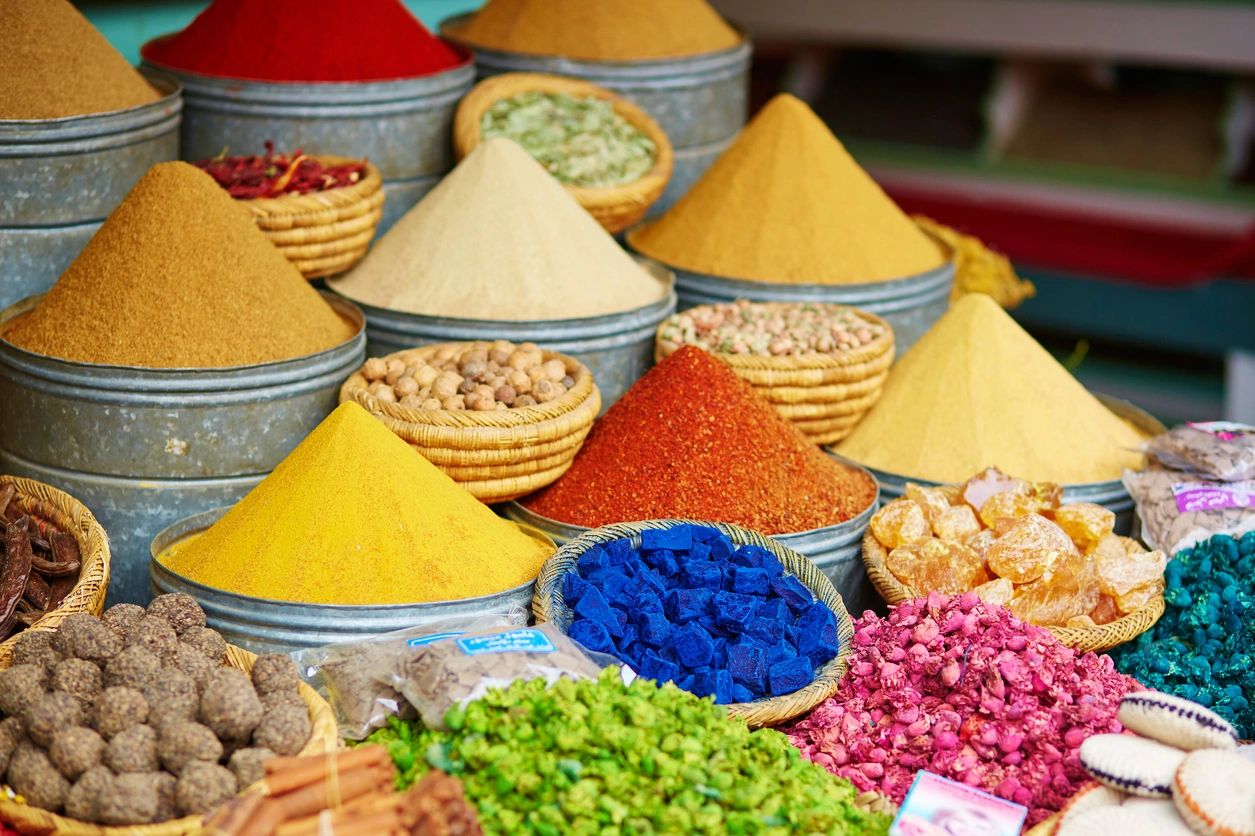
Herbs have been used for religious rituals and healing for as long as humans have existed on our planet. Sacred herbs can be traced back to every continent on the planet, and all ancient civilizations. And while advancements in pharmaceutical products have overshadowed the power of herbal supplements and natural remedies in our modern age, we are finally beginning to revisit and embrace holistic, rather than chemical, solutions.
Ancient civilizations were closely connected to the earth. Because of this connection, healing herbs held significant religious and spiritual importance in cultures around the world. These “Holy Herbs” are believed to possess special qualities and are often used in rituals, ceremonies, and healing practices. They are revered for their ability to purify the mind, body, and soul, and are considered sacred.
Many species are mentioned directly in the Bible as medicinal plants. Notable examples include Hyssop (Origanum syriacum), Balm of Gilead (Commiphora gileadensis), and Mandrake (Mandragora officinarum). And 18 additional medicinal plants are mentioned in old Jewish post-Biblical sources, according to the Journal of Ethnobiology and Ethnomedicine. Most of these, as well as a host of other medicinal plants, are also found in Egypt and Mesopotamia religious text.
The cultural significance of holy herbs lies in their ability to connect individuals to their physical and emotional well-being, with less side effects, and to serve as a symbol of purity. From ancient civilizations to modern-day, the use of holy herbs marks a return to preserving cultural traditions. It provides our bodies with natural solutions. It also fosters a deeper connection with the spiritual realm. In King Solomon’s words, “That which has been is what will be, that which is done is what will be done. And there is nothing new under the sun” (Ecclesiastes 1:9).
Click on the links below to learn more about “Holy Herbs”.
Comments are closed here.