
Show Your Prostate Some Herbal Love
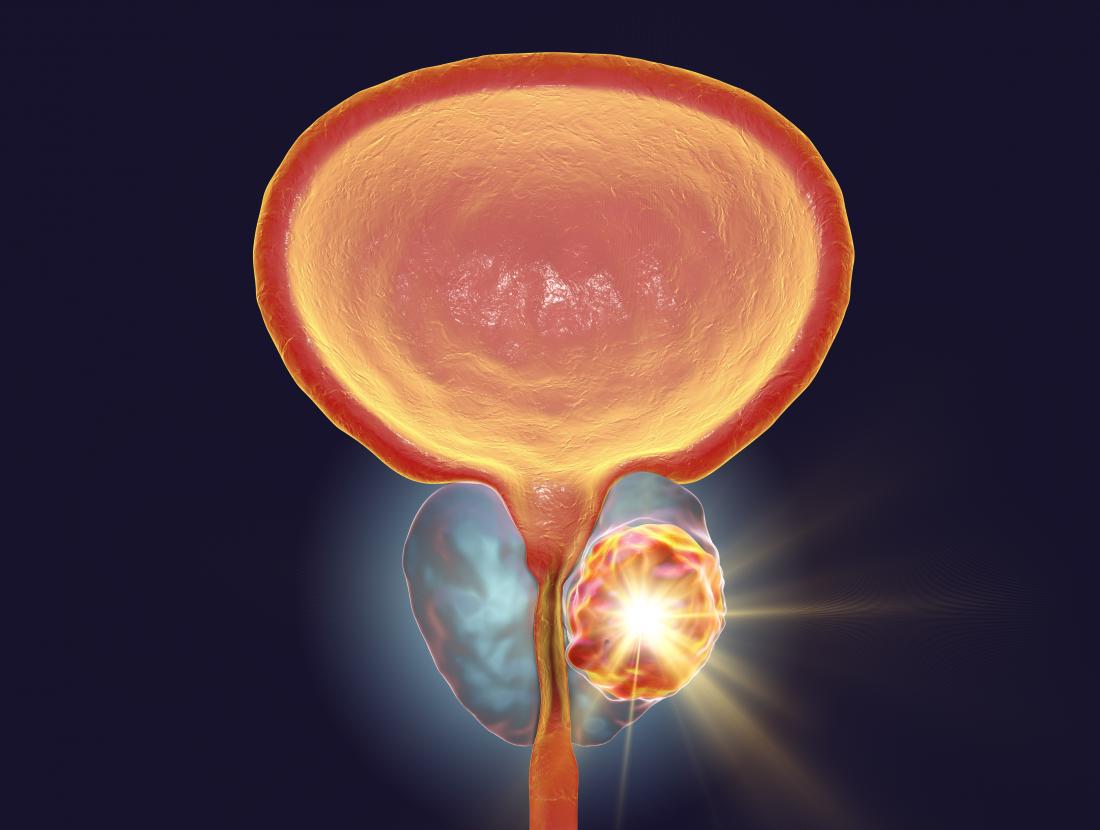
Understanding Prostate Health Risks
According to the American Urological Association (AUA), an estimated 288,300 men will be diagnosed with prostate cancer this year, and about 34,700 will die from the disease. Prostate cancer is the second-leading cause of cancer death among men, after lung cancer.
Enlarged prostate is also common with age. Recent studies suggest that more than half of men over 50 and 80% of men over 70 experience prostate enlargement. If you or someone you know is over 50 and frequently wakes at night with sudden urges to urinate, an enlarged prostate may be a contributing factor.
How the Prostate Changes with Age
As prostate concerns become more common, demand is growing for natural herbal approaches that support prostate health. In men in their 20s and 30s, the prostate is typically about the size of a walnut. By the early 40s, it often begins to enlarge and may reach the size of a lemon—or even a grapefruit—by age 60.
As the gland expands, it can press against the bladder and narrow the urethra. This may lead to symptoms such as frequent urges to urinate, a feeling that the bladder is never fully empty, a weak or dribbling urine stream, and reduced sexual function.
Factors That May Affect Prostate Growth
Although prostate enlargement is often part of aging, environmental and dietary factors may accelerate prostate growth by contributing to free radical damage. Risk may also be higher for individuals with a family history of prostate issues.
A Western-style diet may increase susceptibility when it is high in red or processed meat, sugar, fatty dairy products, and refined grains, while being low in fruits and vegetables. By contrast, an antioxidant-rich diet and a well-rounded herbal regimen may help reduce frequent urination and support protection against benign prostatic hyperplasia (BPH) concerns as you age.
PSA Testing and Screening
A blood PSA test measures prostate-specific antigen, a protein produced by prostate gland tissue. PSA can be detected in blood, urine, or semen and is commonly used as a screening tool for prostate cancer.
PSA screening to help rule out prostate cancer is generally recommended beginning at age 55. A PSA level above 4.0 ng/mL should be evaluated, regardless of age.
However, elevated PSA levels do not always mean cancer is present. PSA can rise because of noncancerous conditions, including benign prostatic hypertrophy (BPH), urinary tract infections, prostatitis, testosterone supplement use, recent catheterization, or pelvic injury.
Treatment Considerations
Conventional prostate cancer treatments—such as radiation, chemotherapy, hormone therapy, and surgery—can be limited in effectiveness and may cause significant side effects. Plant-derived phytochemicals, tinctures, and extracts are being explored for their potential anti-prostate cancer activity and unique healing mechanisms.
Some botanical compounds may be used on their own, while others may complement conventional Western medical treatments. Together, these approaches show therapeutic promise and may offer additional support for prostate health.
When to Seek Medical Guidance
If you are experiencing urinary or prostate-related symptoms, consult your doctor for a proper diagnosis. In some cases, your provider may recommend monitoring the condition while you improve lifestyle habits and use natural herbs to support prostate health.
If you are diagnosed with prostate cancer, take time to carefully review your treatment options. Ask questions, seek more than one professional opinion when appropriate, and advocate for the approach that best aligns with your needs and comfort level. Different doctors may recommend very different treatments, and some options can carry long-term side effects.
Herbal Support Options
The following herbal solutions may be considered for preventive prostate support or as complementary support during different stages of prostate cancer care:
Prostate Support Formulal Compound Formula
This long-standing formula is designed to strengthen and support the prostate. It is similar to the Kidney/Bladder Support Formula, with two key differences: it includes ginseng and gravel root, and it uses cayenne instead of lobelia.
Lobelia is often described as a messenger herb that guides the action of other herbs, while cayenne acts as a stimulant, helping drive the formula’s effects toward the organs involved.
Ingredients: Red Ginseng, Juniper Berries, Marshmallow, Ginger, Gravel Root, Goldenseal, Uva Ursi, Parsley leaf, Cayenne (40 hu).
CFF Formula|Immune Support
This immune-support formula combines 33 herbal ingredients intended to support the body during immune system dysfunction. It is described as helping combat free radicals, cleanse the blood, and strengthen the liver, colon, kidneys, and other organs.
In one personal account, a relative diagnosed with prostate cancer used this formula alongside limited, focused radiation without hormone therapy. His PSA reportedly dropped from a very high level to 0.8—below 1.0. According to the account, his doctor was impressed and said she would have been satisfied with a PSA level of 2 or 3. More information is available through the link above.
Ingredients: Aloe vera, Black Cohosh, Burdock, Chaparral leaf, Cat’s Claw, Echinacea, Fenugreek, Garlic, Goldenseal Root, Graviola, Gravel Root, Juniper Berry, Lemon Grass, Maitake, Milk Thistle, Mistletoe, Neem, Nettle, Oregon Grape Root, Periwinkle, Plantain, Red Reishi, Rosehips, Sage, Shitake, Sheep Sorrel, Slippery Elm Bark, Turkey Rhubarb Root, Turmeric, Thyme, White Oak Bark, Yarrow, Yellow Dock.
Pygeum Bark (Pygeum africanum)
Pygeum bark comes from an African evergreen and is widely used in Europe to support concerns related to male baldness and prostate enlargement. Its anti-inflammatory properties may help ease prostate and urinary discomfort, while also reducing gastric disturbances.
It is also believed to have aphrodisiac effects and may help with impotence. Traditionally, it has been used for baldness and applied externally for wounds and swelling.
Pumpkin Seed (Cucurbita pepo L.)
Pumpkin seed has long been valued as a natural food source for men’s health because it is rich in zinc, an important nutrient for prostate function. It has traditionally been used to support urination, ease urinary difficulties, and help with urinary incontinence.
Often described as a “male tonic,” pumpkin seed may help revitalize the prostate gland and support healthy male hormone production.
Pumpkin seeds provide zinc, which supports immune strength, cell growth and division, mood, sleep, eye and skin health, taste and smell, insulin regulation, and male sexual function. They also contain phosphorus, a nutrient believed to help support healthy erections, testosterone levels, sperm production, and overall prostate health. In addition, pumpkin seeds supply the amino acid myosin, which is essential for strong muscle contractions and energy.
Final Reminder
If you are a man over 40, pay attention to changes in your body, watch for warning signs of prostate issues, and take a proactive approach to your health. When detected early, prostate cancer is highly treatable.
Tags: cancer, incontinence, prostate, pumpkin seed, Pygeum bark
Comments are closed here.